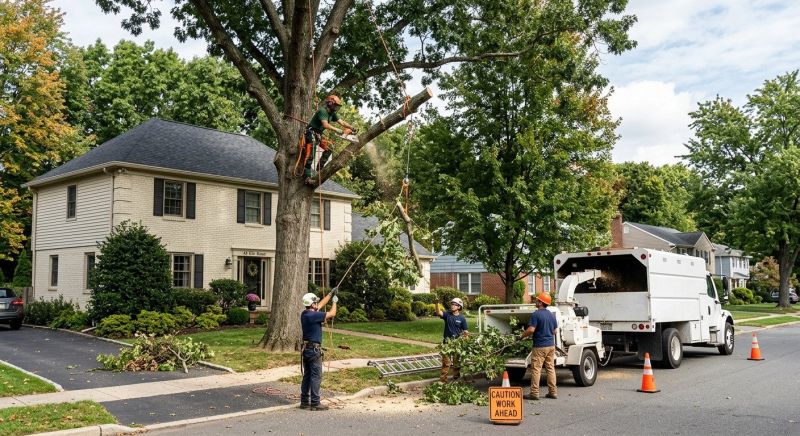
Tree Limbs Removal in San Jose, CA
Tree limbs removal services involve safely trimming or removing overgrown, damaged, or hazardous branches from trees on residential properties. This service is often requested when limbs pose a risk of falling, threaten power lines, or obstruct views and sunlight. Projects can range from removing specific problematic branches to comprehensive thinning of tree canopies, helping to maintain the health and appearance of trees while reducing potential hazards for homeowners and their families.
Property owners typically want to understand which limbs should be removed to improve safety and aesthetics, as well as how the process might affect the overall health of the tree. It’s important to consider factors such as the size and location of limbs, the potential impact on the tree’s stability, and any local regulations or guidelines for tree maintenance. Proper limb removal can prevent property damage, encourage healthy growth, and enhance the safety of outdoor spaces.
Many property owners in San Jose, CA look into Tree Limbs Removal for repairs, replacements, upgrades, and appearance-related improvements.
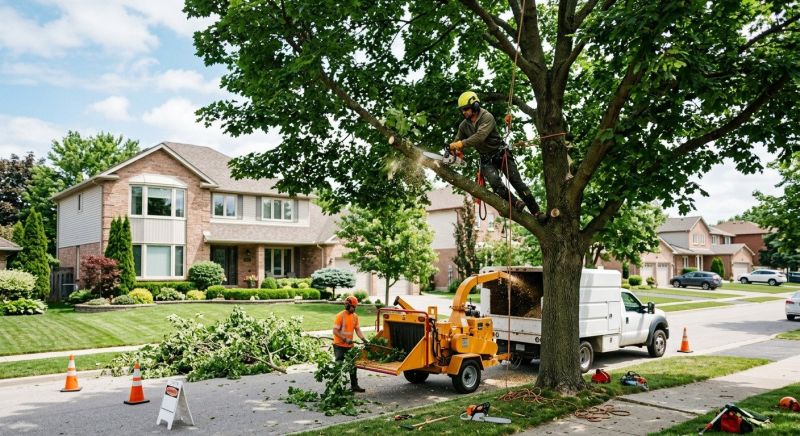
Safety And Property Protection
Removing overhanging or damaged limbs reduces the risk of property damage and personal injury.
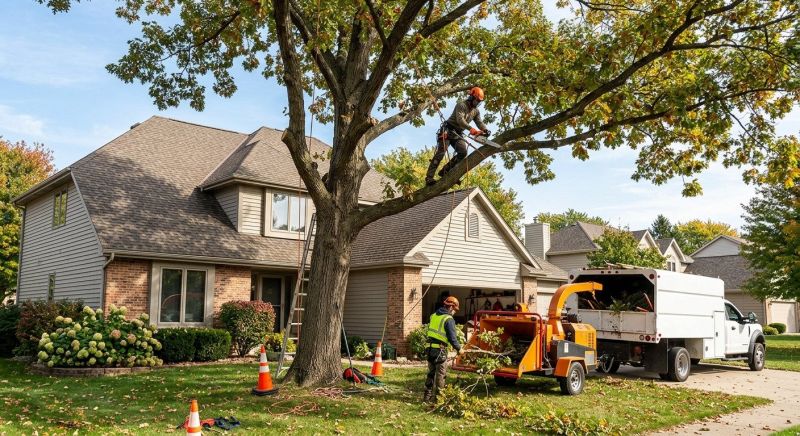
Tree Health And Maintenance
Selective limb removal promotes healthier growth and extends the lifespan of trees in san jose neighborhoods.
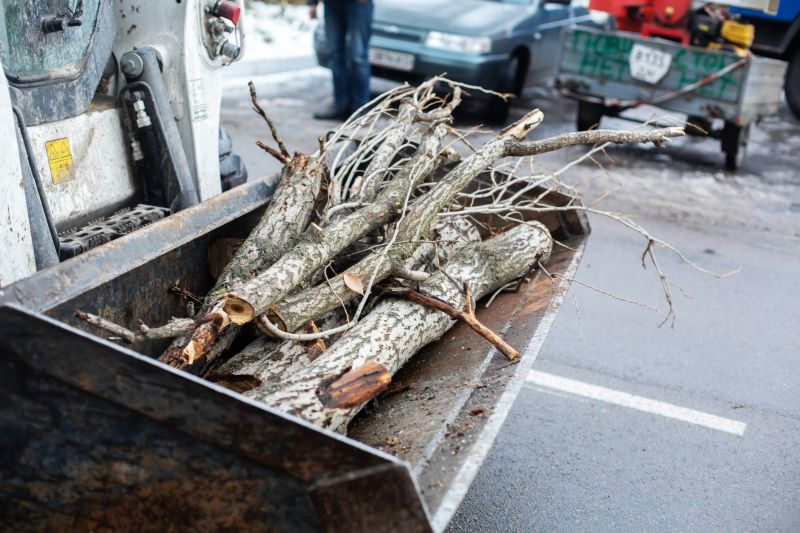
Aesthetic Improvement
Pruning and removing excess limbs enhances the appearance and curb appeal of residential and commercial properties.
Tree Limbs Removal in San Jose, CA
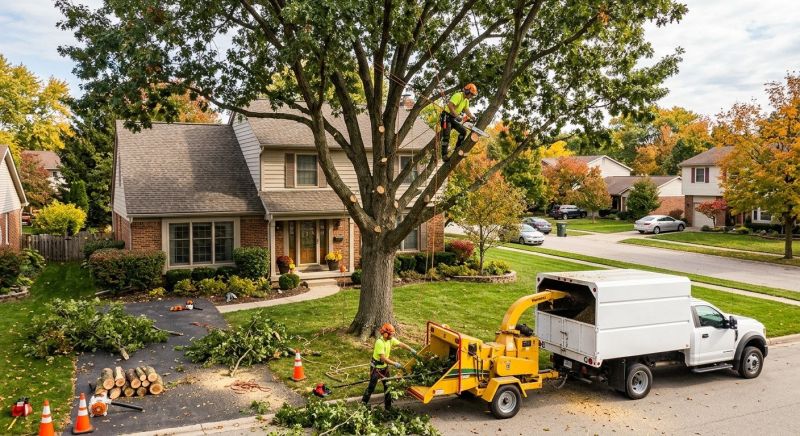
Tree limbs removal services involve safely trimming or removing overgrown, damaged, or hazardous branches from trees on residential properties. This service is often requested when limbs pose a risk of falling, threaten power lines, or obstruct views and sunlight. Projects can range from removing specific problematic branches to comprehensive thinning of tree canopies, helping to maintain the health and appearance of trees while reducing potential hazards for homeowners and their families.
Property owners typically want to understand which limbs should be removed to improve safety and aesthetics, as well as how the process might affect the overall health of the tree. It’s important to consider factors such as the size and location of limbs, the potential impact on the tree’s stability, and any local regulations or guidelines for tree maintenance. Proper limb removal can prevent property damage, encourage healthy growth, and enhance the safety of outdoor spaces.
Many property owners in San Jose, CA look into Tree Limbs Removal for repairs, replacements, upgrades, and appearance-related improvements.
Common Tree Limbs Removal Jobs
Tree limb removal - safely eliminates overhanging or damaged branches to prevent property damage.
Emergency limb removal - responds to storm-damaged or hazardous limbs threatening safety.
Crown thinning - reduces branch density to improve tree health and airflow.
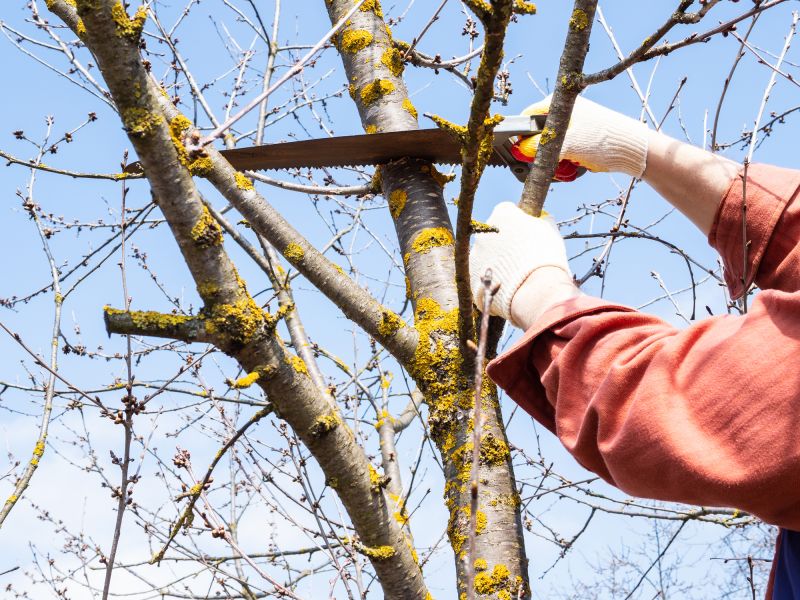
Selective pruning - targets specific limbs to shape trees and promote growth.
Dead branch removal - removes decayed or dead limbs to reduce risk of falling.
Utility line clearance - clears limbs away from power and communication lines for safety.
Tree Limbs Removal Questions
Why is tree limb removal necessary? Removing overhanging or damaged limbs helps prevent property damage and reduces safety hazards caused by falling branches.
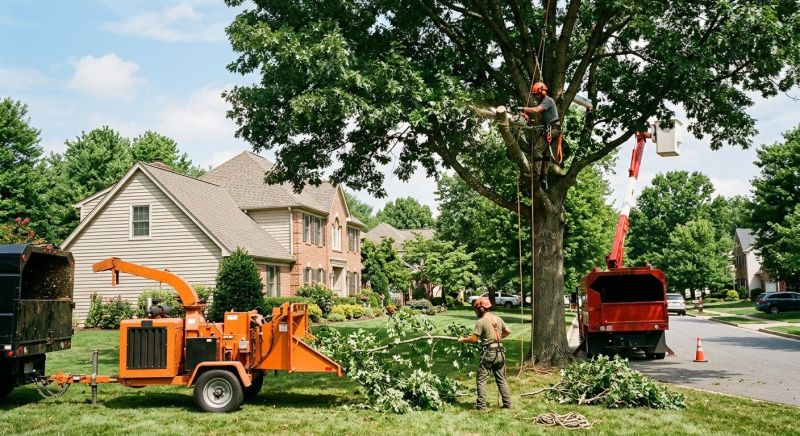
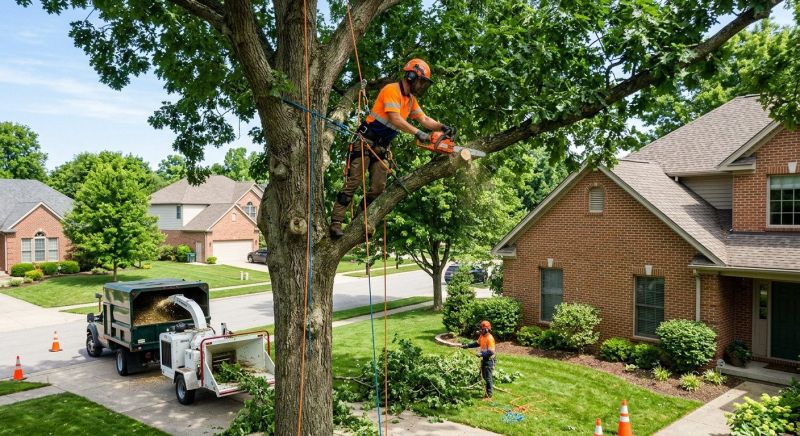
How are tree limbs removed safely? Proper equipment and techniques are used to carefully cut and lower limbs, minimizing risk to property and people nearby.
What types of tree limbs are typically removed? Dead, diseased, or broken branches, as well as those obstructing structures or power lines, are common targets for removal.
When should tree limb removal be performed? It is best done when limbs pose a risk of falling or causing damage, especially during or after storms or when limbs are visibly compromised.
Request Tree Limbs Removal in San Jose, CA
Use the quote form on this page to share the basics of your project and request more information for the type of work you need.